Aperiod Penrose tiling in three dimensions
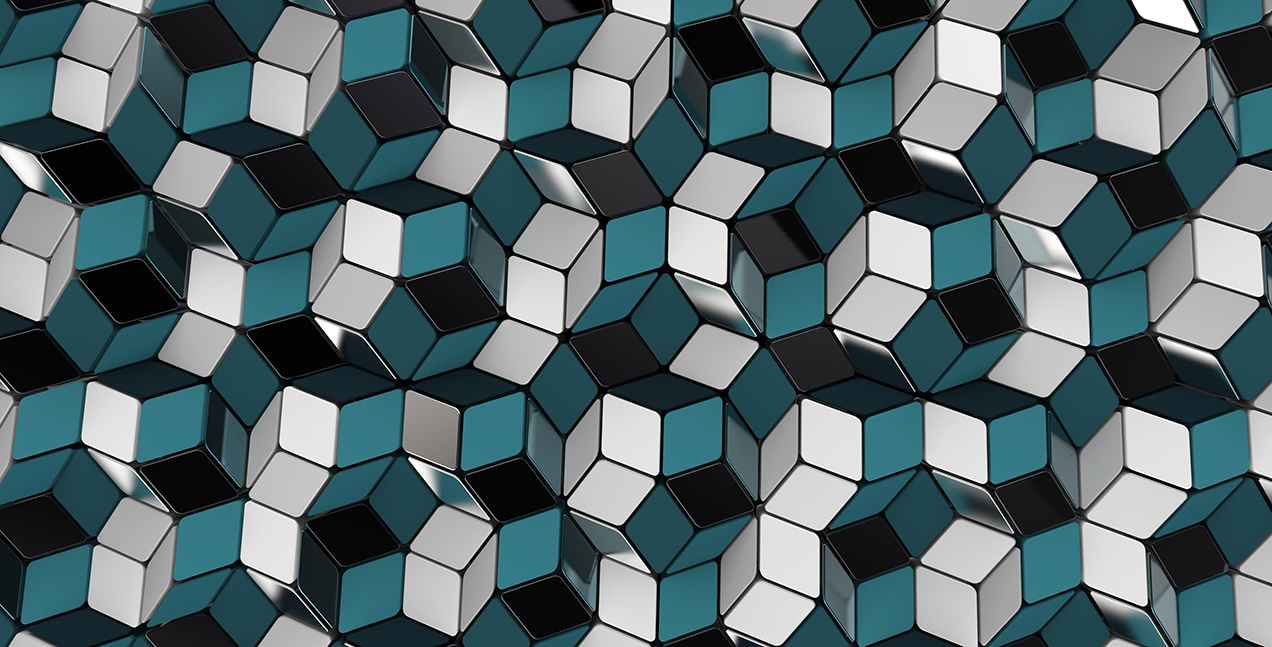
Parametrically designed in 2D and 3D Grasshopper. In 2020, I saw a video from the channel Veritasium about the penrose tiling Besides fascination, I felt a challenge to draw up this pattern in CAD and to discover more about the 5-fold symmetry. Usually, CAD software is best in making regular patterns, so this aperiodic tiling would be unconventional.
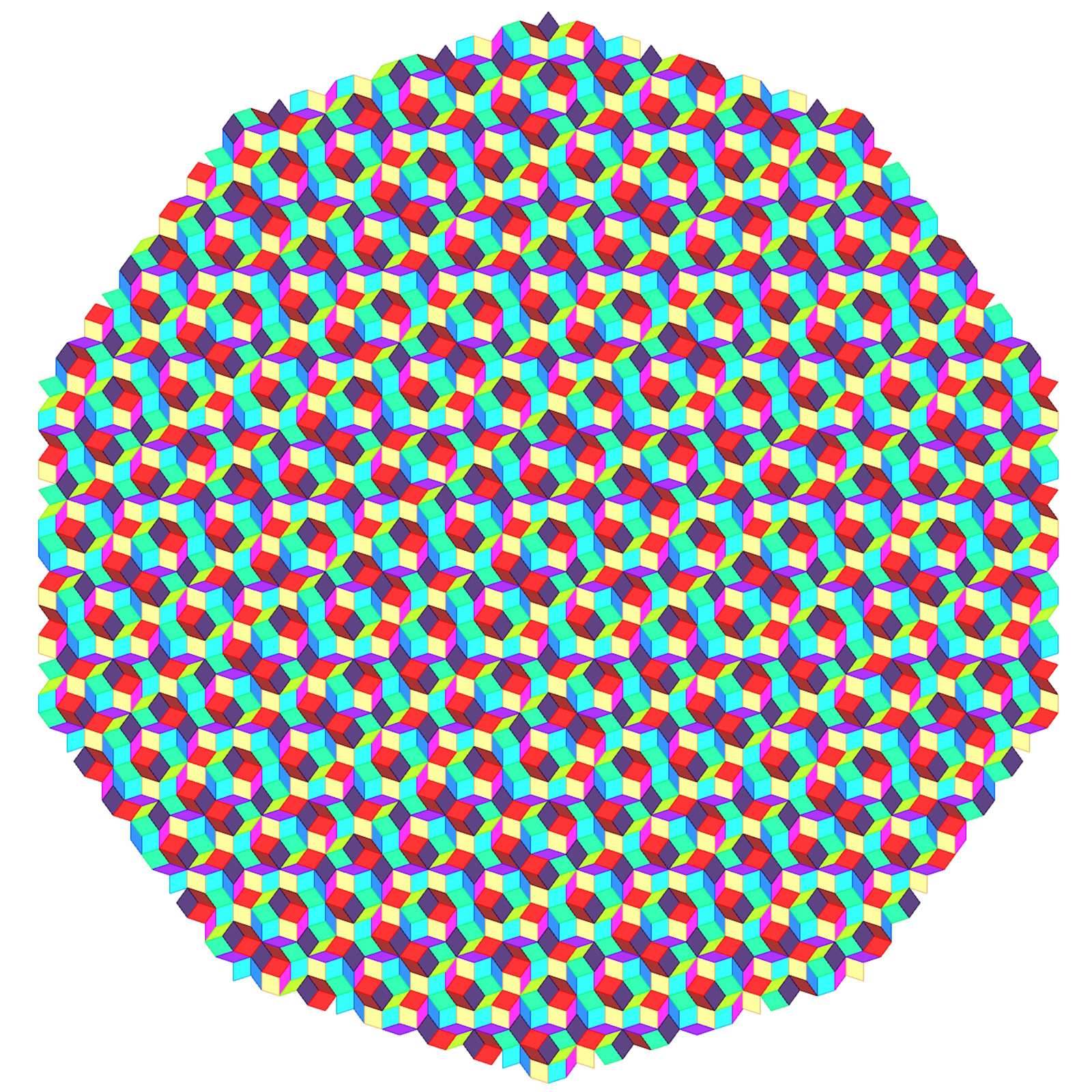
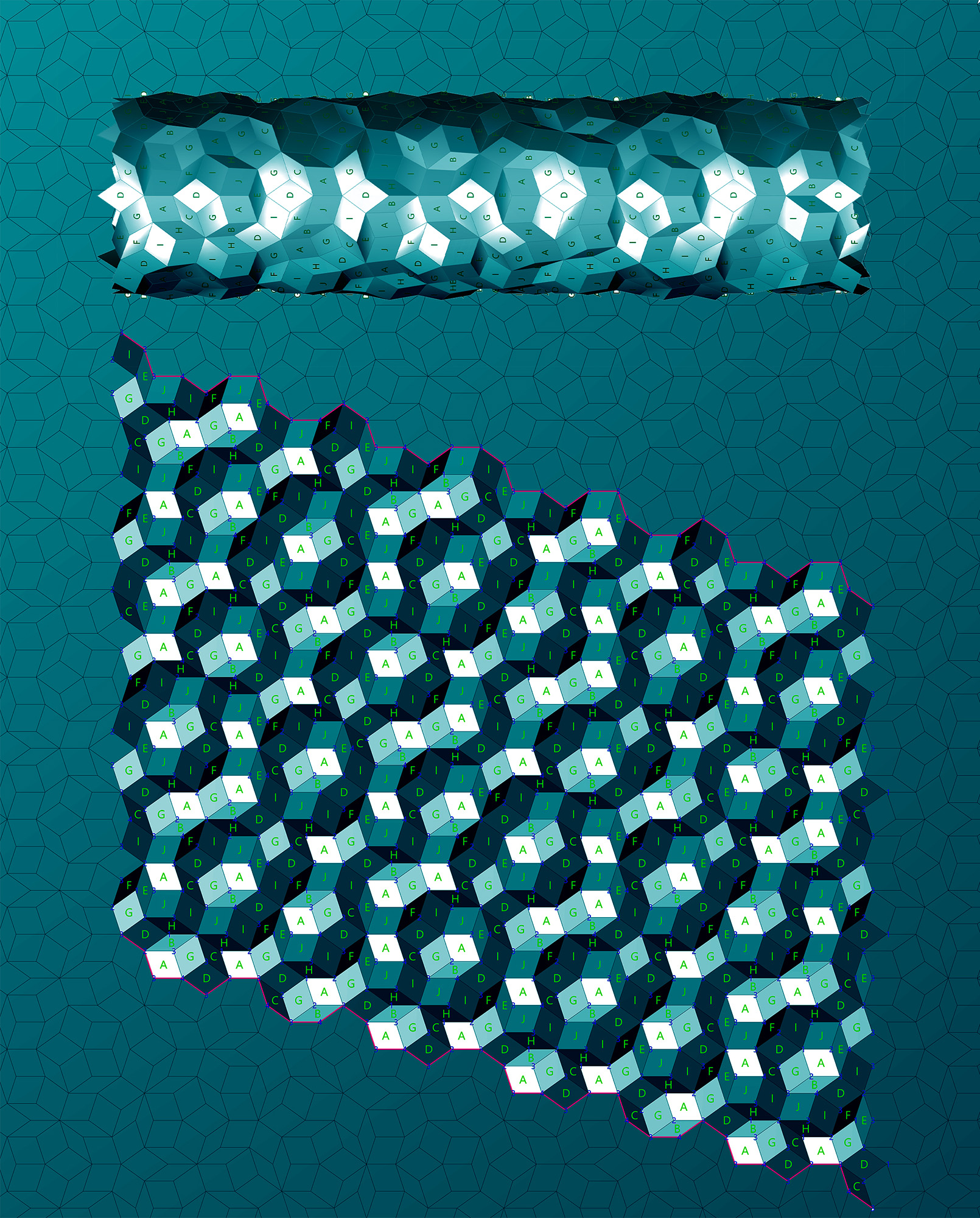
After fiddeling around with the geometry and analysis of angles, lengths and (sub-)regularities, I found out some rules that I could use to make the pattern not just 2D, but also give points an appropriate height. This way, the tiling would be 3D and build out of planar surfaces only.

The algorithm
Grasshopper is a node-based, low code visual programmer overlay for the Rhinoceros environment. It consists out of interchained 'building blocks' with in and outputs, making Rhino higly parametric again. I learned to work with Grasshopper for my graduation, and ever since I'm intrigued by its capabilities. While programming, it gives lots of insights and visualisations about the things you are working on. There is no other CAD program I can think of that could have done the job.
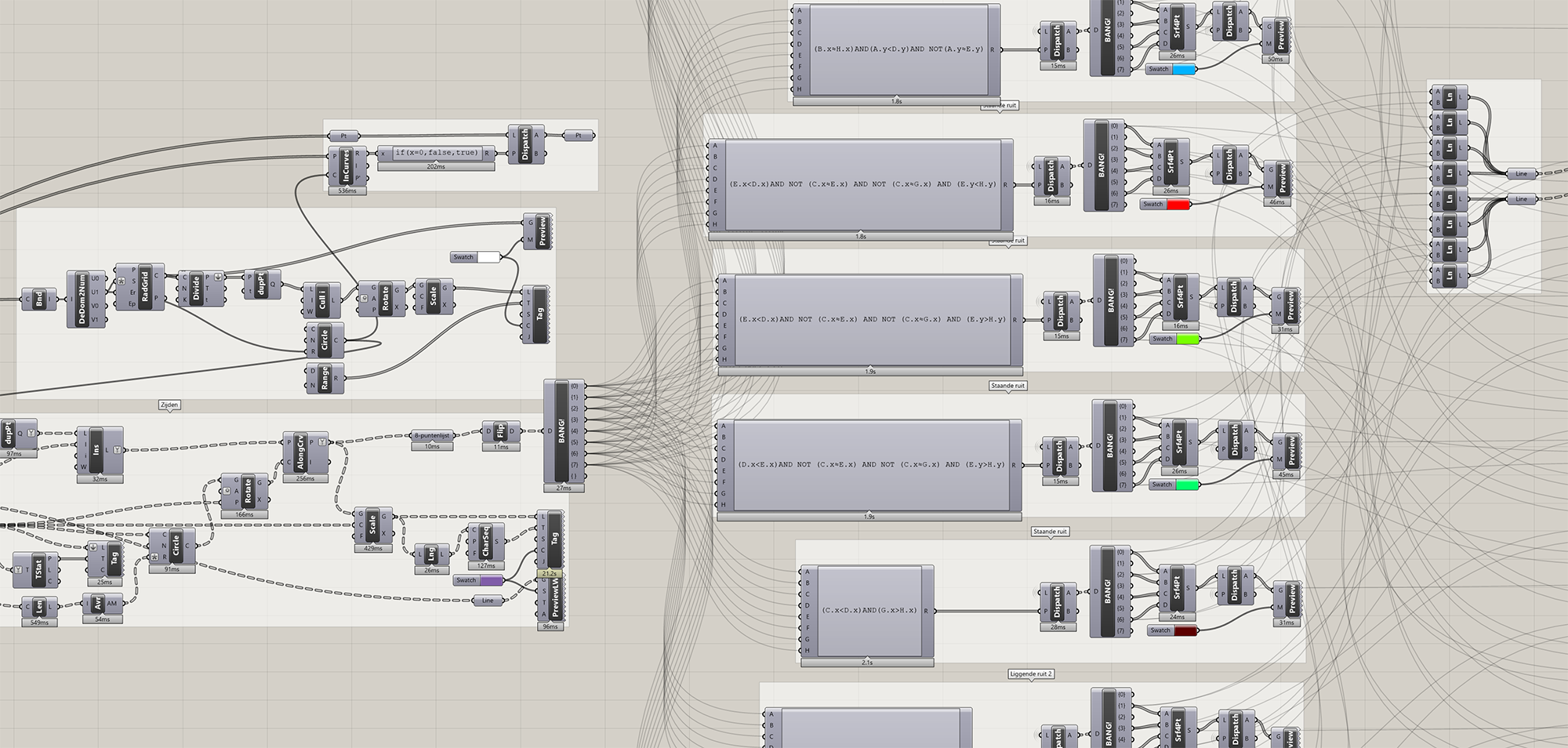
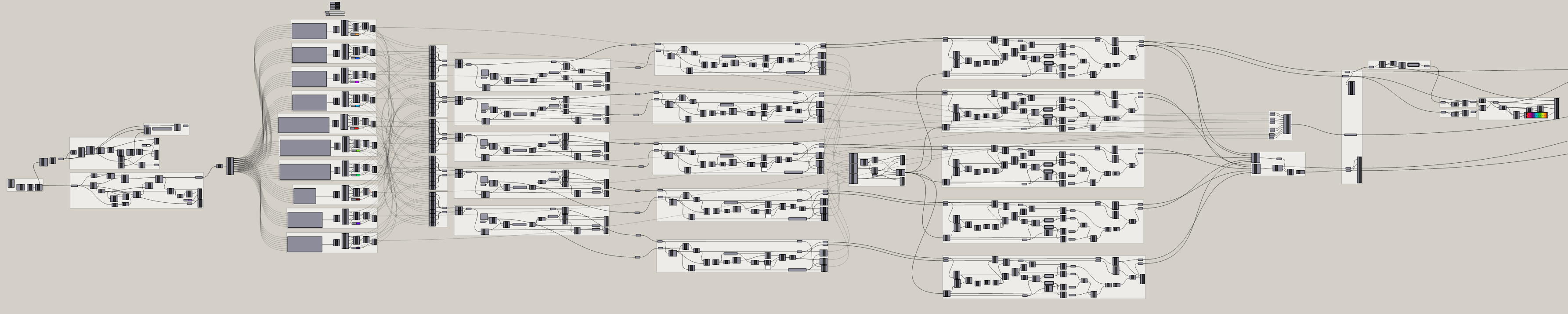
Finding regularity in an irregular pattern
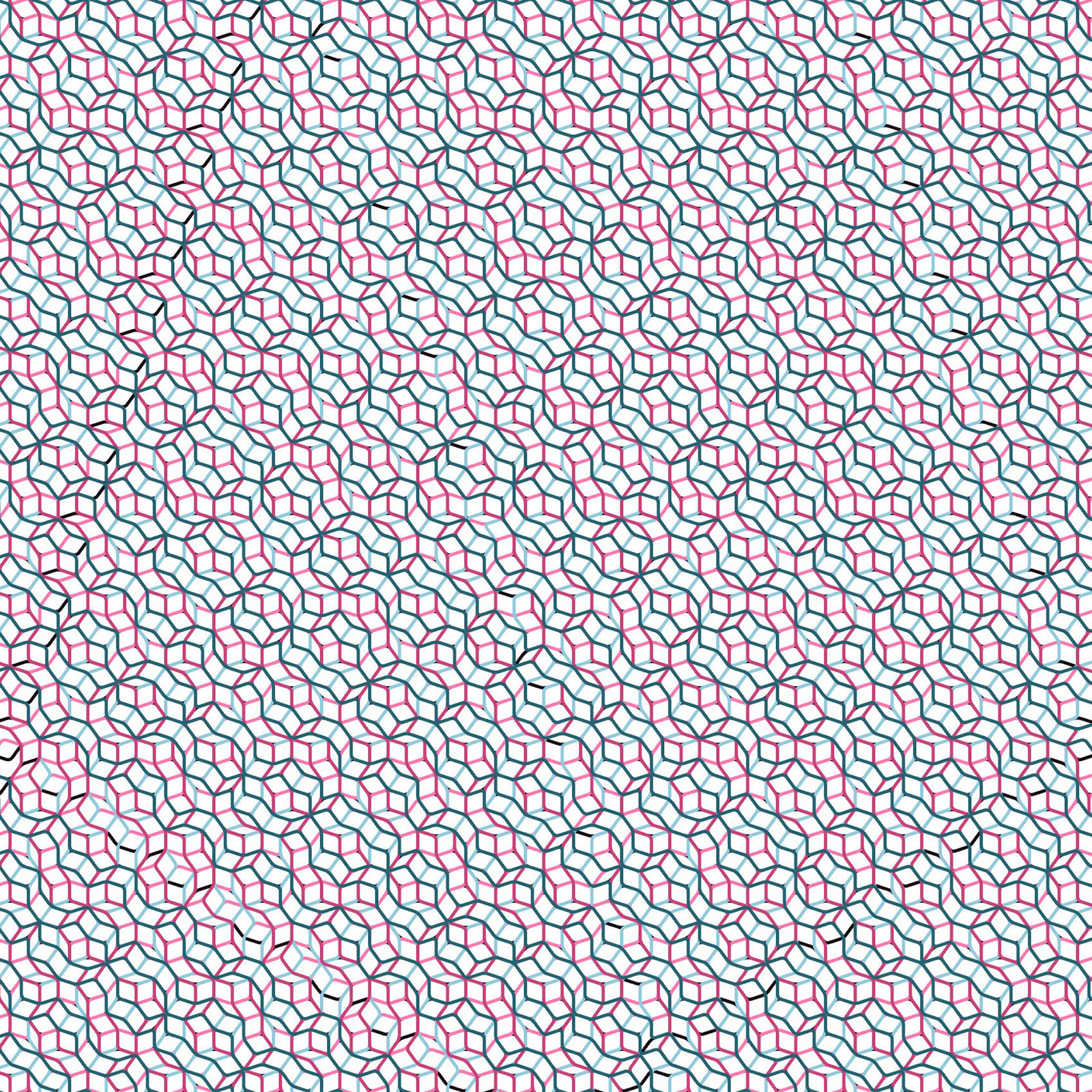
Once I set up the pattern (thanks to the Parakeet plugin), I analysed the lines, directions and nodes of the structure to find any logic. This difficulty was to catch the pattern in the right set of 'rules' to not violate the aperiodicity of the tiling. Once I had a way of automatically naming all the geometry features, I programmed to find 2 identical polylines that could be used to cut along and wrap around the penrose pattern. This creates a seamless tube that is regular around, but 'irregular' along its axis.
.jpg)
On the wall.
I had to physically make a prototype of my first mathematical art structure. It's called "Tiling #01".
.jpg)
.jpg)
.jpg)
.jpg)